If you are picturing a White Lake getaway that also earns income when you are not using it, pause before you fall in love with the idea. Vacation rentals in this area can be appealing, especially near the lakes and parks, but the rules, costs, and property-specific details matter more than many buyers expect. A smart purchase starts with knowing what the township requires, what the property itself can support, and whether the numbers still work after real-world expenses. Let’s dive in.
White Lake rentals are regulated
In White Lake Township, rental property is regulated township-wide. The township code says an owner or agent may not lease or rent property unless the owner or agent is registered and the property is certified by the township.
That matters for short-term use too. The township’s current rental paperwork specifically includes a Short Term Rental option, which is a strong sign that you should treat vacation-rental plans as a regulated use, not a casual side project.
The township also states that occupancy by anyone other than the owner or immediate family is presumed to require rental registration. If you plan to buy a lake home and rent it to guests, you should assume registration and certification are part of your due diligence from day one.
Registration and inspection come first
White Lake’s rental program is not just a form you file once and forget. The township materials say inspections must be scheduled within 45 days of registration, and the current fee sheet lists a $50 application fee plus a $150 registration or certification fee for one- and two-family dwellings, for a total of $200.
For multi-family or hotel-type properties, the fees are higher. The township’s current materials list a total of $528 for those property types, and the township notes that some application and fee changes took effect in 2026.
The code also allows a four-year certification term for rental dwellings and a two-year term for rental complexes. That means your timeline, budget, and ownership plan should account for ongoing compliance, not just the purchase itself.
What the inspection may cover
The township’s inspection brochure shows a focus on life-safety and code items. Common areas of review include:
- Electrical
- Lighting
- Plumbing
- Stairs
- Exits
- General maintenance
The brochure also notes that some repairs may require licensed contractors. If you are buying an older cottage, a lakefront cabin, or a property that has been used seasonally, inspection readiness can affect your startup costs more than expected.
Every parcel has its own rules
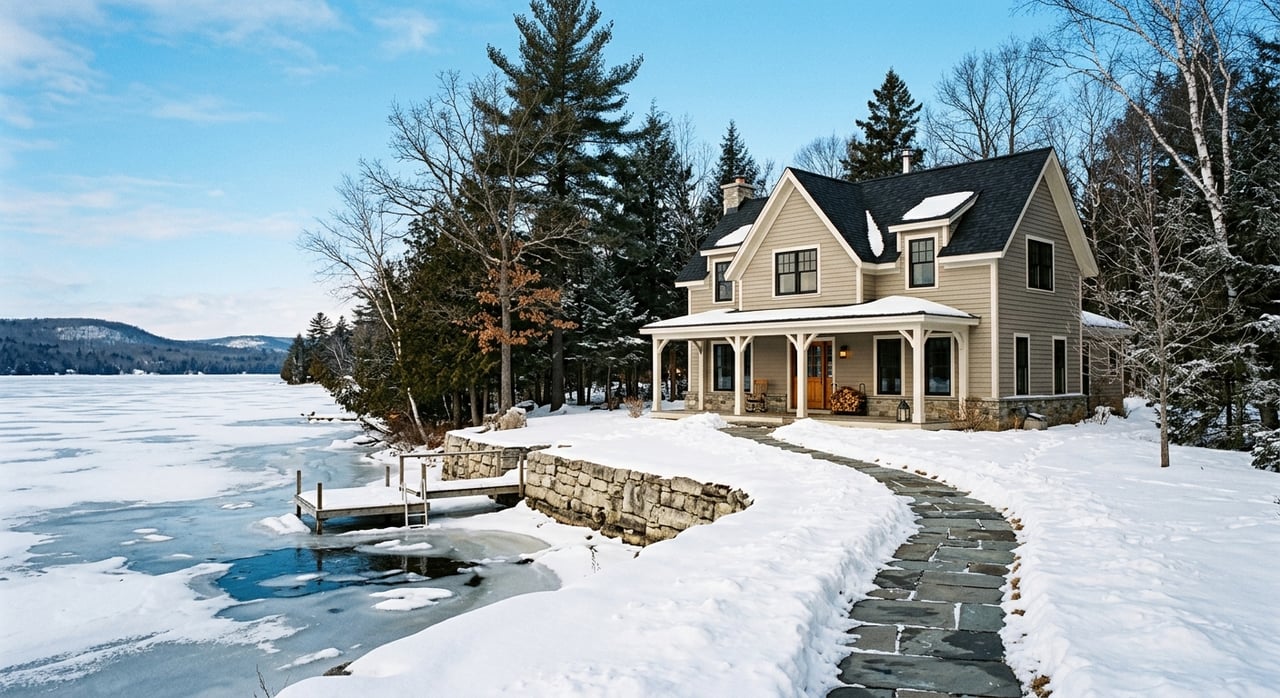
White Lake Township describes itself as a community with 21 lakes, many lake homes, and a large amount of parks and open space. That is part of the draw, but it also means one property can function very differently from another.
A home in one subdivision may have a very different rule set than a nearby condo or lakefront parcel. Before you assume a property can work as a vacation rental, review the recorded deed restrictions, condo bylaws, and any lake-association rules tied to that exact address.
This step matters because private restrictions can be tighter than township rules. In some cases, the township may allow a rental use in general, but the association documents may limit or prohibit the type of short-term activity you had in mind.
Watch for practical limits
For condos, subdivisions, and lakefront homes, practical rules often shape the experience as much as the township code. You may need to verify limits related to:
- Guest counts
- Parking
- Boat use
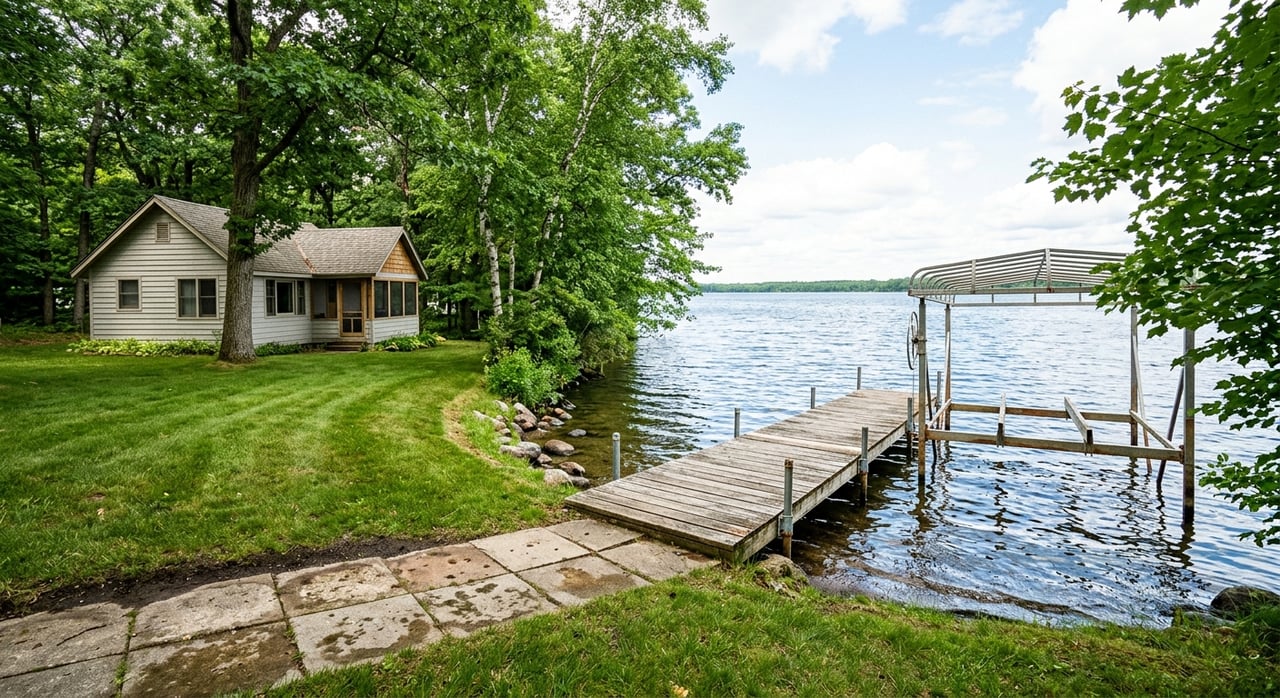
- Docks
- Shoreline access
- Noise
- Trash handling
- Minimum stay requirements
These details can affect both profitability and guest experience. They can also change whether the property is manageable as a true vacation rental.
Utilities matter more than buyers expect
One of the easiest mistakes is treating utility setup like a small maintenance detail. White Lake’s rental form asks whether the property uses township sewer or water, or private septic or well, which is a reminder that these systems should be part of your buying decision.
If a home uses a private well or septic system, you need to understand whether it supports the guest count and usage pattern you have in mind. A charming lake property may look perfect online, but the actual system setup can affect how practical it is for rotating short-term guests.
This is especially important if you are comparing homes with different lot sizes, older infrastructure, or seasonal layouts. A property’s utility setup can shape costs, maintenance, and how easily you can operate the home over time.
Carrying costs are often underestimated
Many buyers run optimistic income numbers and underestimate the ongoing costs. In White Lake, you should build your budget with registration fees, inspections, maintenance, utilities, cleaning, vacancy, and taxes in mind.
Property taxes are a major consideration. In Michigan, the principal residence exemption removes the local school operating millage, up to 18 mills, from an owner’s true fixed and permanent home.
If the White Lake property is mainly a second home or rental, you should assume it may be taxed as non-homestead unless the use pattern and assessor filings support a different result. That can change your ownership costs in a meaningful way.
Short stays may trigger state tax obligations
Michigan also imposes a 6 percent use tax on lodging furnished by hotelkeepers, motel operators, and other persons furnishing accommodations to the public on a commercial and business basis. The state notes that no tax is due if the same room is rented continuously for more than one month.
For a vacation rental, that means shorter stays can create state lodging-tax obligations that should be factored into your income planning. If you skip this step, your projected return may look stronger on paper than it does in real life.
Revenue should be modeled conservatively
White Lake has strong lifestyle appeal. The township promotes itself as a Four Seasons Playground with more than 6,000 acres of parks, 21 lakes, and year-round outdoor recreation.
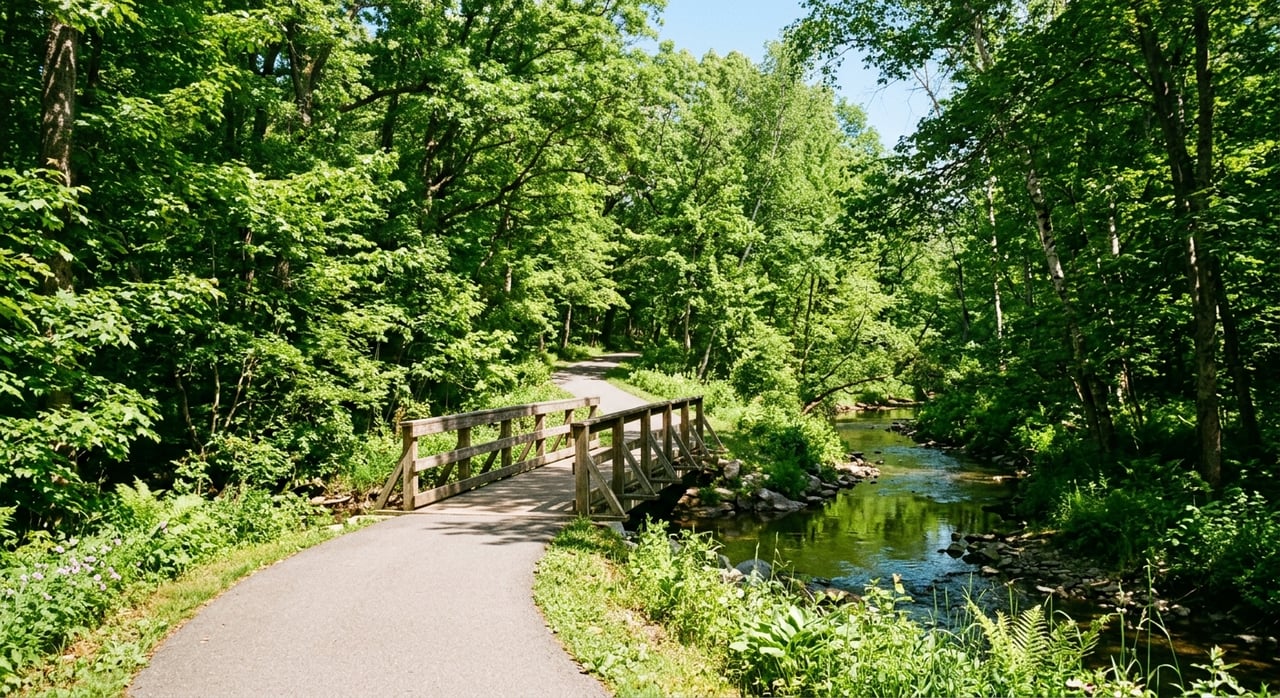
Nearby recreation adds to that appeal. Pontiac Lake State Recreation Area offers a long beach, camping, and trail-based recreation, while Indian Springs Metropark includes trails, golf, a splash pad, and winter activities like cross-country skiing and sledding.
That said, local appeal does not automatically mean steady, hotel-style occupancy all year. A lake-oriented property may perform best in warmer months and during holiday or event periods, so it is wise to model revenue with seasonality in mind.
Use a realistic income formula
Because the public information here focuses on rules and amenities rather than published performance data, it makes sense to be conservative. A practical approach is to estimate local comparable income, then subtract:
- Platform fees
- Cleaning turnover
- Vacancy
- Township fees
- State lodging tax
- Insurance
- Utilities
- Maintenance reserves
You should also confirm whether you will need a property manager. The township’s rental form asks for agent or property-manager information, which is a good reminder that operations may require more hands-on support than you first expect.
What to verify before making an offer
If you are serious about buying a vacation rental in White Lake, do not rely on assumptions. Verify the basics before you commit.
Here is a strong starting checklist:
- Rental registration and certification requirements for the exact property
- Any deed restrictions, condo bylaws, or lake-association rules
- Whether the property will likely be taxed as principal residence or non-homestead
- Whether the home uses public sewer and water or private septic and well
- Whether the layout, parking, and system capacity fit your intended guest use
- Whether the projected income still works after fees, taxes, vacancy, and upkeep
A property can look perfect as a lifestyle purchase and still miss the mark as a rental investment. The goal is to understand both sides before you write the offer.
Why local guidance helps
Vacation-rental buyers often focus on the dream first and the details second. In White Lake, that order can cost you time and money because township compliance, private restrictions, and property setup all play a role.
A local real estate advisor can help you compare homes with the right lens, ask better questions early, and spot red flags before they become expensive surprises. That is especially helpful when you are weighing lake access, seasonal use, condo rules, or the realities of owning a second home in southeastern Michigan.
If you are exploring lake or seasonal property in White Lake and want practical, local guidance, Anne Shields is here to help you evaluate the opportunity with your goals front and center.
FAQs
Does White Lake Township require registration for short-term rentals?
- Yes. The township’s current rental paperwork includes a Short Term Rental option, and the township code says an owner or agent may not lease or rent property unless registered and certified.
What are the current White Lake rental fees for a one-family or two-family home?
- Current township materials list a $50 application fee and a $150 registration or certification fee, for a total of $200.
What should you check before buying a White Lake vacation rental?
- Review township rental requirements, private association restrictions, tax status, sewer or septic setup, water source, parking, guest-use fit, and whether the projected income still works after real expenses.
Can condo or lake-association rules limit vacation rentals in White Lake?
- Yes. Private restrictions such as condo bylaws, deed restrictions, and lake-association rules may be more restrictive than township baseline rules.
Will a White Lake vacation rental have higher taxes than a primary residence?
- It may. If the property is mainly a second home or rental, you should assume it may be taxed as non-homestead unless the use pattern and assessor filings support a different result.
Does Michigan charge tax on short-term vacation rental stays?
- Michigan imposes a 6 percent use tax on lodging furnished on a commercial and business basis, with no tax due if the same room is rented continuously for more than one month.