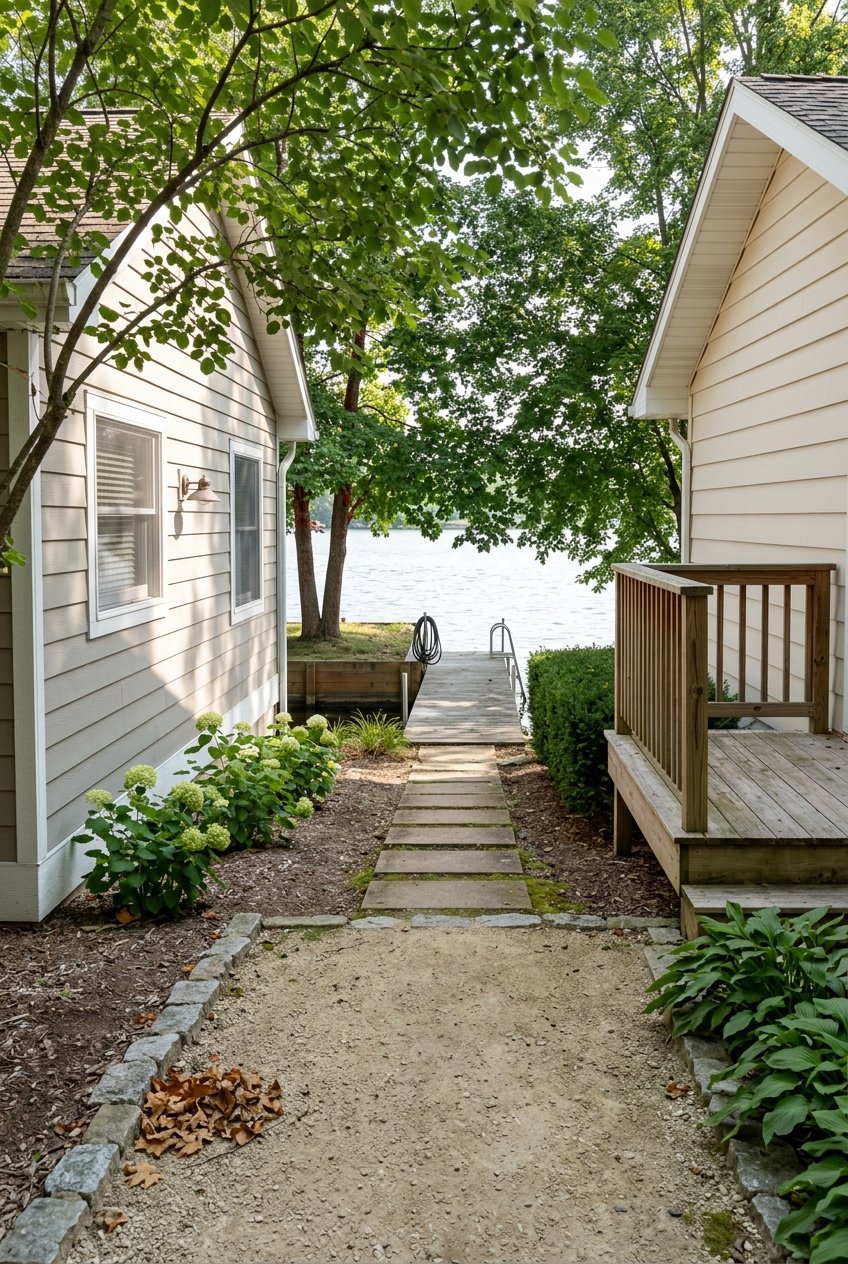
Wondering whether lakefront or lake-access is the smarter move in White Lake? It is a common question, and the answer depends on how you want to live, not just what you want to spend. In a township with 21 lakes and a wide mix of housing, the difference can shape your budget, your daily routine, and your long-term upkeep. If you are weighing both options, this guide will help you compare them with local context in mind. Let’s dive in.
Why This Choice Matters in White Lake
White Lake Township is uniquely suited for this conversation because lake living is part of the local housing landscape, not a rare niche. The township says parks and open spaces make up nearly 30% of its 37 square miles, and it lists 21 lakes within the community. That means buyers here often have real choices between direct waterfront homes and properties with some form of shared or deeded access.
That choice also matters because White Lake is not priced like an ultra-luxury-only waterfront market. As of spring 2026, public market snapshots showed an average home value of $394,597 and a median list price of $401,150, while Realtor.com reported a median sold price of about $390,000 and roughly $230 per square foot. In other words, lakefront and lake-access homes often sit within a broader middle-to-upper suburban market, which makes comparing value especially important.
Lakefront vs Lake Access Defined
What lakefront usually means
In local listing language, lakefront typically means the property has direct frontage on the lake. You can usually go from your house to the shoreline without leaving your lot. That direct connection is what many buyers are paying for.
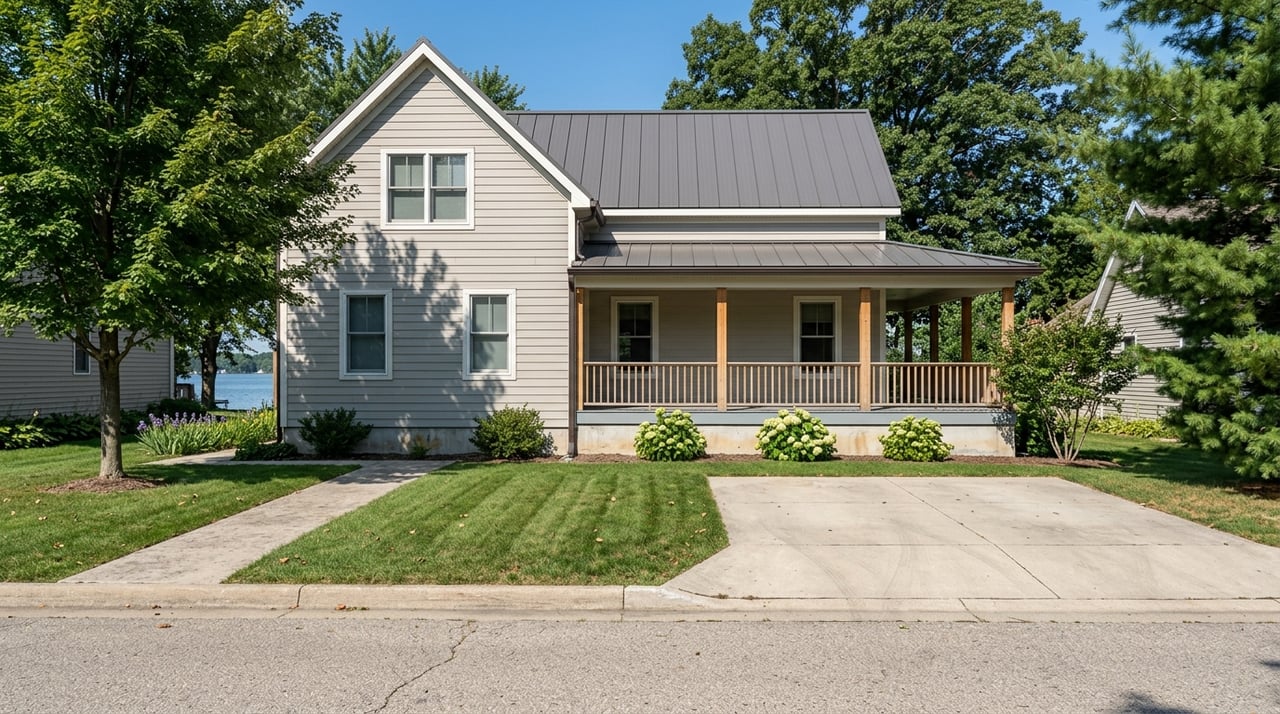
White Lake listing examples reflect that definition. A Pontiac Lake home on Gale Road was marketed with direct frontage and dock use, while a Sugden Lake property on Castlewood Drive highlighted a peninsula lot with 100 feet of frontage and direct lake access. These details point to the main appeal: immediate water use, stronger views, and no need to walk or drive to reach the lake.
What lake access can mean
Lake access is broader and can mean several different things. In White Lake, it may include a shared beach, dock rental, deeded rights, or another nearby path to the water. That is why two homes with the same “lake access” label can offer very different experiences.
Local listing snapshots show that range clearly. One White Lake listing described a private beach with dock space available for rental, another promoted two beach access points and proximity to a public boat launch, and a third referenced deeded lake access to Cedar Island Lake. The key takeaway is simple: lake access is not one standard feature, so you need to verify exactly what rights come with the property.
How Pricing Usually Differs
Lakefront often carries the premium
White Lake Township’s 2024 residential sales study shows a clear premium for waterfront property in local data. In the White Lake-Lakefront neighborhood, two recorded sales were $625,000 and $710,000. By comparison, a sale in White Lake Grove Sub #1 was $164,900, and a sale in White Lake Grove Sub/Canal was $340,000.
That does not mean every lakefront home will cost dramatically more than every lake-access home. It does mean that direct frontage tends to command the highest prices because buyers are paying for convenience, views, and control over the shoreline edge. In many cases, that premium is substantial.
The spread is neighborhood-specific
White Lake pricing is not one-size-fits-all. The township sales study also shows that nearby lake-oriented neighborhoods can land in the $400,000s to $500,000s depending on home size, age, and updates. Public listing snapshots tell a similar story, with some lake-access homes around the low-$200,000s while direct-water examples reached into the high $400,000s through the $700,000s.
The most accurate way to think about it is this: lakefront usually commands the highest premium, but the price gap can widen or narrow based on the lot, frontage, condition, and the lake itself. That is why comparing only the headline label can be misleading.
Lifestyle Differences to Think Through
Choose lakefront for everyday convenience
If you picture stepping out to your dock, launching a boat without planning ahead, or enjoying the view every day from your own lot, lakefront is hard to match. It offers the most direct lake use and the fewest barriers between you and the water. For many buyers, that ease is the whole point.
Lakefront can be especially appealing if you expect to use the lake often. Swimming, fishing, boating, or simply sitting by the shore all become part of your regular routine. If you want the lake to shape your daily lifestyle, direct frontage usually delivers the strongest experience.
Choose lake access for flexibility
Lake-access homes can be a strong fit if you want the lake lifestyle without paying full waterfront pricing. In many cases, you may get a more conventional yard setup, more separation from shoreline activity, and less direct exposure to boat traffic. That can appeal to buyers who want recreation nearby without making the water the center of the lot.
The tradeoff is that your lake experience depends on the exact access arrangement. Shared beaches, rented dock space, deeded access strips, and nearby launch points all feel different in day-to-day use. A lake-access home can be a great value, but only if the access matches how you plan to use it.
Privacy and Noise Considerations
Lakefront often brings the best views, but it can also place you closest to the activity. Depending on the lake and the season, that may include boat traffic, shoreline noise, and more visible movement near your property. Some buyers love the energy, while others prefer a quieter setting.
Lake-access homes may offer a little more distance from the busiest parts of the shoreline. If your ideal yard feels private and conventional, that setup can be easier to enjoy. Still, privacy depends on the lot itself and on how the shared access area is used.
Maintenance and Rules to Know
Lakefront usually means more upkeep
Owning direct frontage often means taking on more responsibility. MSU Extension notes that shoreline erosion can be driven by wave and ice action, runoff, and the loss of native shoreline vegetation. That makes shoreline stewardship an ongoing part of ownership, not a one-time project.
Michigan’s Department of Environment, Great Lakes, and Energy oversees inland-lake work involving dredging, filling, and structures such as docks and seawalls on inland-lake bottomlands. On top of that, Oakland County’s lake-level program says lake-level studies may consider septic tanks, seawalls, docks, and related features. For a buyer, that means lakefront ownership can come with more property-specific maintenance and oversight.
Lake access may reduce direct shoreline work
A lake-access home often helps you avoid maintaining the shoreline edge yourself. That can lower the day-to-day demands compared with direct frontage. If you want lake enjoyment with fewer waterfront tasks, this can be a meaningful advantage.
That said, lake-access owners are not always free from shared costs. Oakland County notes that special assessments can apply to both lakefront owners and backlot owners with access. So even without direct frontage, you may still share in some lake-related costs through an association or assessment district.
White Lake rules can affect waterfront lots
White Lake Township’s zoning rules are another reason to look closely at lakefront property details. The township’s fence ordinance excerpt says privacy fences on lakefront lots are limited to 4 feet in height and must be set back at least 30 feet from the shoreline, defined as the ordinary high-water mark. That is a concrete example of how waterfront lots can face added site-specific rules.
The township also notes that even when a residential fence permit is not required, property lines still matter and the zoning ordinance must be followed. For buyers, this is a reminder that improvements on a waterfront lot may require more careful review than on a standard inland parcel.
Questions Buyers Should Ask
Before you choose lakefront or lake access in White Lake, make sure you understand the property beyond the listing headline. The right questions can help you avoid surprises and compare homes more fairly.
Ask about these points:
- Is the home direct lakefront or does it have shared, deeded, or rented access?
- If it is lake access, what exact rights transfer with the property?
- Is there shared beach use, shared dock use, or dock rental availability?
- Are there association rules, shared maintenance obligations, or special assessments?
- Where are the property lines and access points located?
- Are there site-specific zoning restrictions that affect fences or other improvements?
In White Lake, this due diligence matters because “lake access” can describe several very different arrangements. The deed, survey, HOA documents, and seller disclosures are especially important when you are comparing one lake property to another.
Which Option Fits You Best?
Lakefront is usually the better fit if you want the easiest water access, direct shoreline control, and a stronger connection to the lake every day. You should also be comfortable with the higher price that often comes with frontage and with the added upkeep that waterfront ownership may require. If the lake is central to how you want to live, the premium may be worth it.
Lake access is often the better fit if you want a lower entry point, less direct shoreline maintenance, and a home that still gives you meaningful access to the water. It can also work well if you enjoy the lake regularly but do not need to launch from your own backyard. In that case, the best value may come from buying the right kind of access rather than paying for full frontage.
In White Lake, there is no single right answer. The best choice depends on how often you will use the lake, how much privacy and control you want, and how you feel about maintenance, shared access, and long-term costs.
If you want help comparing lakefront and lake-access homes in White Lake, Anne Shields offers a local, client-first approach built around clear answers and thoughtful guidance. Whether you are buying your first lake home or planning your next move, you can count on personal support every step of the way.
FAQs
What does lake access mean in White Lake, Michigan?
- In White Lake, lake access can mean shared beach rights, dock rental, deeded access, or another nearby path to the water, so you should verify the exact rights tied to the property.
Is lakefront more expensive than lake access in White Lake?
- Usually yes. Local sales data and listing examples show that direct lakefront tends to command the highest premium, though the gap varies by neighborhood, lot, frontage, condition, and the lake itself.
What are the benefits of buying lakefront in White Lake?
- Lakefront gives you direct access to the shoreline, easier day-to-day lake use, stronger views, and more control over how you enjoy the water from home.
What are the benefits of buying a lake-access home in White Lake?
- A lake-access home may offer a lower entry price, less direct shoreline maintenance, and a more conventional yard setup while still giving you access to lake activities.
Do lake-access owners in White Lake ever share lake-related costs?
- Yes. Oakland County says special assessments can apply to both lakefront owners and backlot owners with access, depending on the situation.
Are there extra property rules for lakefront homes in White Lake Township?
- Yes. White Lake Township zoning rules include lakefront-specific fence limits, including a 4-foot height limit for privacy fences and a 30-foot setback from the shoreline in the ordinance excerpt cited above.