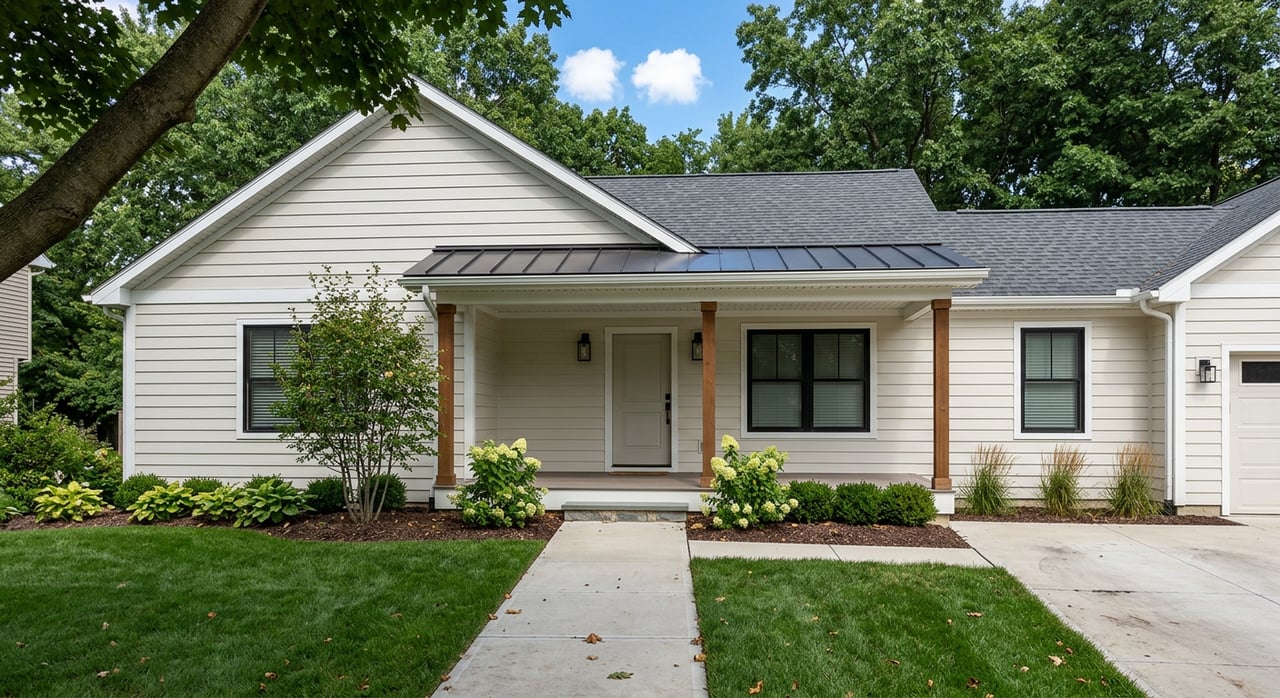
Selling your home in Milford can move faster than many sellers expect. Recent local market data shows homes often go under contract in a little over a month, which means your first few weeks on the market can shape the entire outcome. If you want a smoother sale, better offers, and fewer surprises between listing and closing, it helps to know what happens before the sign goes up and after the offer comes in. Let’s dive in.
Why timing matters in Milford
Milford sellers are working in a market that tends to reward early preparation. Redfin reports a median sale price of $369,900 and 36 days on market in February 2026, while Realtor.com reported 37 days on market and roughly a 100% sale-to-list ratio in March 2026. The exact numbers vary by portal, but the pattern is clear: the first month matters most.
That pace lines up with broader Oakland County trends. Redfin’s Oakland County data and regional benchmarks suggest sellers should not treat launch day as the start of preparation. Instead, you will usually get the best results when pricing, disclosures, photos, and showing plans are ready before your home goes live.
Start with pre-listing prep
Before your home is listed, you will likely spend time on condition, paperwork, and pricing strategy. This stage is where you set the foundation for a strong first impression and a cleaner transaction.
In Michigan, the Seller Disclosure Act generally applies to transfers of 1 to 4 residential dwelling units. The disclosure reflects your known information about the property and is not a warranty. If new information comes up later, Michigan law allows you to amend the disclosure in writing.
Timing matters here too. Under Michigan law, if the disclosure is delivered after a binding purchase agreement is signed, the buyer may have a short window to terminate. That is one reason many sellers complete disclosures before active marketing begins.
If your home was built before 1978, you also need to follow federal lead-based paint disclosure requirements. Sellers must disclose any known lead hazards and provide the required information before the sale becomes enforceable.
What sellers often do before listing
Most Milford sellers should expect this stage to include:
- Completing seller disclosures
- Reviewing any pre-1978 lead-based paint requirements
- Making agreed-upon repairs or touch-ups
- Preparing the home for staging or styling
- Scheduling professional photography
- Setting a list price and showing instructions
Because Milford homes can move quickly, this prep work is not busywork. It helps you hit the market ready, rather than trying to fix avoidable issues after buyers are already walking through the door.
Expect the first weeks to be busy
Once your home goes live, the market usually reacts quickly. That does not guarantee multiple offers for every property, but it does mean buyer interest often shows up early.
Redfin notes that many Milford homes receive multiple offers, some with waived contingencies. At the county level, Realcomp’s 2024 Oakland County report showed 20 showings per listing, 1.6 months of supply, 26 days on market, and 100.1% of list price received. Those are benchmarks, not promises, but they reinforce the idea that strong presentation and pricing can matter right away.
What happens during showings
During this phase, your main job is to keep the home accessible and presentation-ready. Your agent’s job is to watch the market response closely and help you interpret it.
That usually includes:
- Monitoring showing activity
- Reviewing buyer feedback
- Watching for patterns in objections or praise
- Discussing whether price, condition, or marketing needs adjustment
If your home gets strong traffic and good feedback early, that is often a positive sign. If activity is slower than expected, quick adjustments can matter more than waiting too long.
Reviewing offers in Milford
An offer is more than the price. When buyers compete in a fast-moving market, the strongest offer often combines price with terms that fit your goals.
As you review offers, you may weigh:
- Purchase price
- Financing type
- Earnest money amount
- Inspection terms
- Appraisal terms
- Requested seller concessions or credits
- Closing timeline
- Possession timing
A higher price is not always the best overall option if another offer has cleaner terms or fewer hurdles. This is where clear guidance and steady communication can make a big difference.
The contract-to-close stage
Once you accept an offer, the sale moves into the post-contract period. The National Association of Realtors explains that this stage often includes earnest money, lender processing, title work, appraisal, inspections, and final underwriting. It can take several weeks or more depending on scheduling and financing.
For sellers, this is often the part that feels less visible but still needs close attention. Your home is no longer fully exposed to the market, but the sale is not final yet. The main goal is to keep the transaction moving and respond quickly when decisions are needed.
Key checkpoints after you accept an offer
You should expect communication around a few major milestones:
- Inspection window opens and the buyer schedules inspections.
- Repair requests or credits may follow.
- Appraisal is ordered if the buyer is using financing.
- Title work and lender conditions are reviewed.
- Final closing figures are prepared before signing.
Staying organized during this stage can help reduce delays and last-minute stress.
Inspection negotiations
Inspections are commonly part of the process, even if they are not required in every transaction. According to the National Association of Realtors, inspections may include checks for issues such as radon, lead paint, or asbestos if those tests are part of the buyer’s inspection package.
After the inspection, buyers may ask for repairs, a credit, or some combination of the two. That does not mean you must agree to every request. It means there is often a second round of negotiation focused on condition and risk.
In many cases, the decision comes down to cost, timing, and what keeps the deal together. Some sellers prefer making a repair before closing, while others prefer a credit on the settlement statement so the buyer can handle the work later.
Be ready for the appraisal
If the buyer is financing the purchase, the lender will usually require an appraisal. That appraisal is meant to confirm the property value for lending purposes, not to support either side’s preferred price.
The Consumer Financial Protection Bureau explains that if the appraisal comes in below the purchase price, the buyer may use that lower value to renegotiate. Depending on the contract, the buyer may also be able to cancel.
That is why appraisal conversations can become one of the biggest turning points between offer acceptance and closing. If the value comes in low, possible next steps might include a price reduction, a buyer bringing in more cash, or another negotiated solution.
What to expect before closing day
As the sale gets closer to closing, the details become more specific. Lender approval, title coordination, and final figures all come together in a short window.
The CFPB notes that most mortgage borrowers must receive the Closing Disclosure at least three business days before closing. In some situations, a corrected disclosure can restart that waiting period. Even though that rule applies to the borrower, it still affects the seller’s timeline because final figures usually need to be settled shortly before signing.
Your closing checklist
Before closing, it helps to confirm:
- The exact possession date and time
- Utility shutdown or transfer dates
- Which keys, remotes, or access devices will be delivered
- That any agreed repair credits appear correctly
- That wire instructions and settlement details are verified
These are simple items, but they can prevent last-minute confusion.
Seller costs to remember in Michigan
Many sellers focus on price and mortgage payoff, but transfer taxes are another important closing cost. In Michigan, the state real estate transfer tax is $3.75 per $500 of value, and the county transfer tax is 55 cents per $500 in counties with populations under 2 million.
That means Milford sellers in Oakland County should expect these transfer taxes to be part of the closing calculation. Your final settlement statement will show the exact amount based on your sale.
You may also hear questions about future property taxes from the buyer. According to the State of Michigan’s property tax guidance, a transfer of ownership generally uncaps taxable value in the following calendar year, and the buyer usually must file a Property Transfer Affidavit within 45 days after transfer. That helps explain why a buyer’s future tax bill may not match your current one.
What closing day usually looks like
On closing day, documents are signed, funds are exchanged, and possession changes according to the purchase agreement. The National Association of Realtors notes that the exact process can vary by state, which is why coordination with the title company or closing professional is so important.
For you as a seller, the finish line usually comes down to a few practical steps. You will review final figures, sign the required documents, confirm how and when proceeds are delivered, and make sure possession happens exactly as agreed.
How to make the process smoother
The Milford selling process is usually most successful when you treat it as a series of decisions rather than one big event. Preparation before listing, smart strategy during the first weeks, and fast communication during escrow can help protect your time and your bottom line.
If you are thinking about selling in Milford, having a clear plan from day one can make the path from listing to closing feel much more manageable. When you want local guidance, professional marketing, and responsive support built around your goals, Anne Shields is ready to help.
FAQs
What is the typical time to sell a home in Milford, MI?
- Recent market data from Redfin and Realtor.com puts Milford homes at about 36 to 37 days on market in early 2026, though your timeline can vary by price, condition, and terms.
What disclosures do Milford home sellers need in Michigan?
- Milford sellers typically need to complete Michigan seller disclosures for 1 to 4 residential dwelling units, and homes built before 1978 may also require federal lead-based paint disclosures.
What happens after accepting an offer on a Milford home?
- After you accept an offer, the transaction often moves through earnest money, inspections, appraisal, title work, lender review, and final closing coordination.
Can a Milford home sale fall through because of the appraisal?
- Yes. If the appraisal comes in below the purchase price, the buyer may try to renegotiate and, depending on the contract terms, may be able to cancel.
What closing costs should Milford sellers expect in Michigan?
- In addition to other transaction costs, Michigan sellers should expect state and county transfer taxes, which are calculated based on the property value.
When does the buyer get the keys after a Milford closing?
- Possession timing depends on the purchase agreement, so keys and access are usually transferred according to the exact date and time written into the contract.