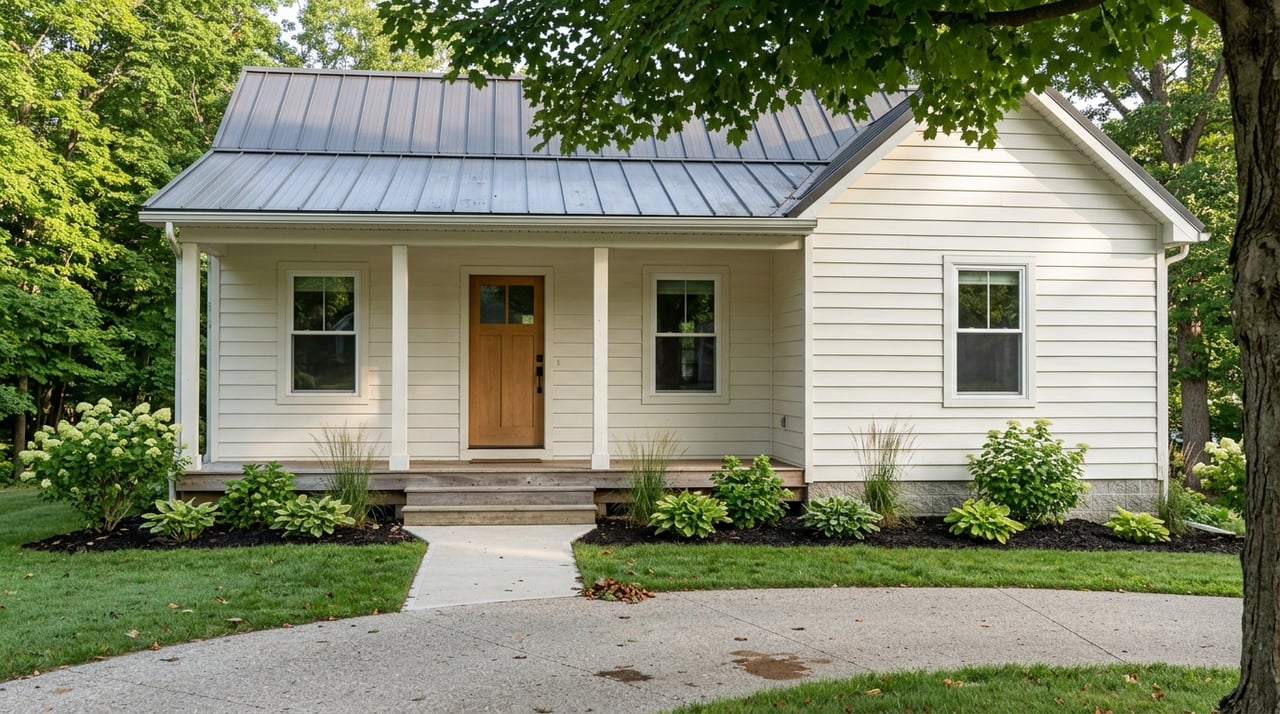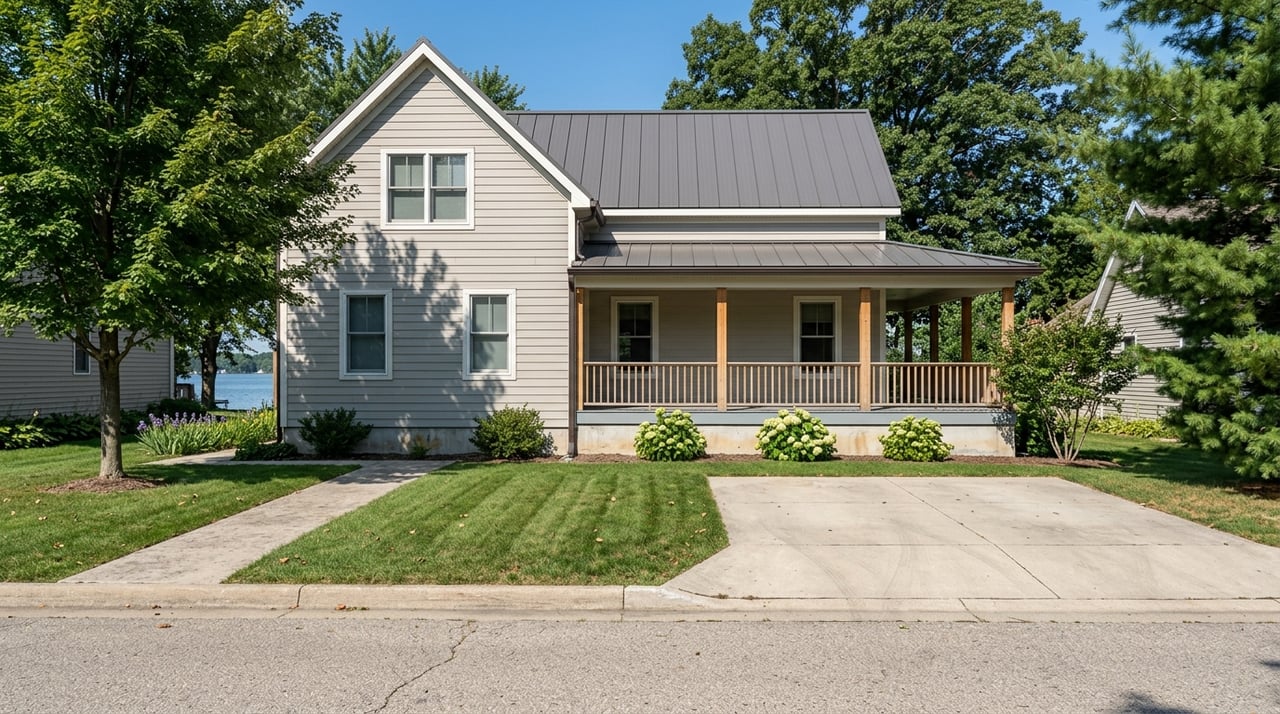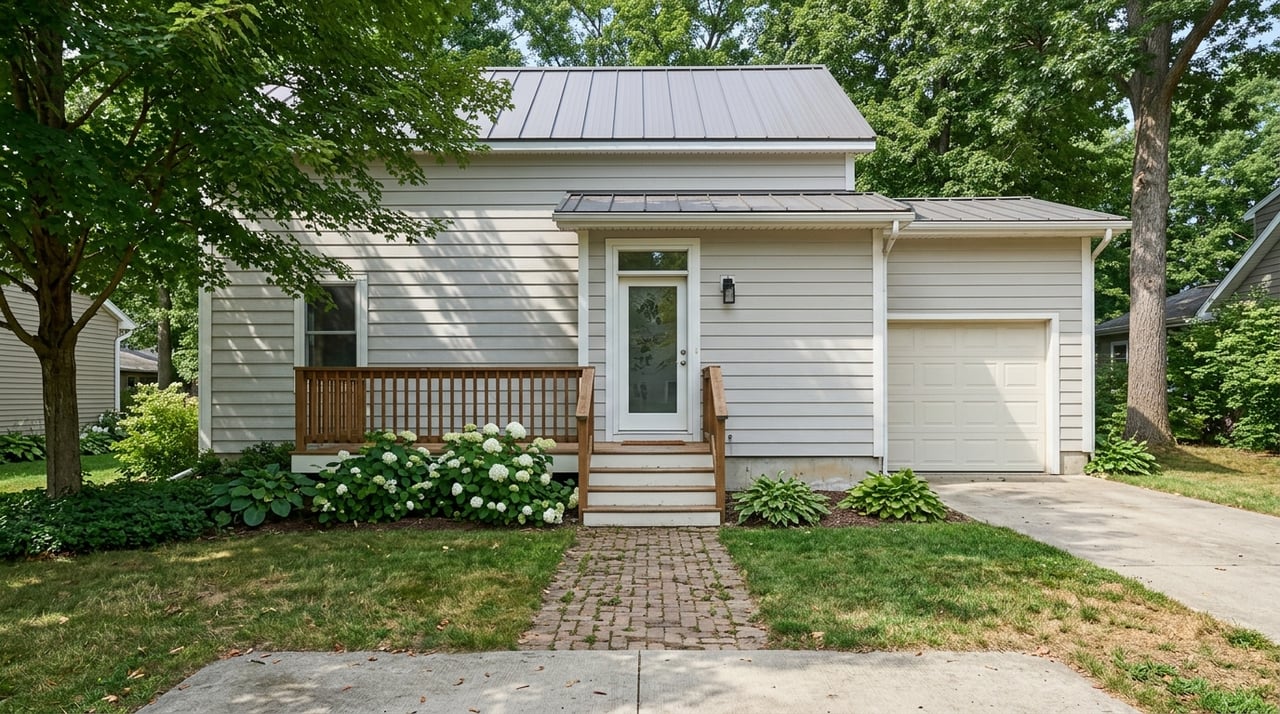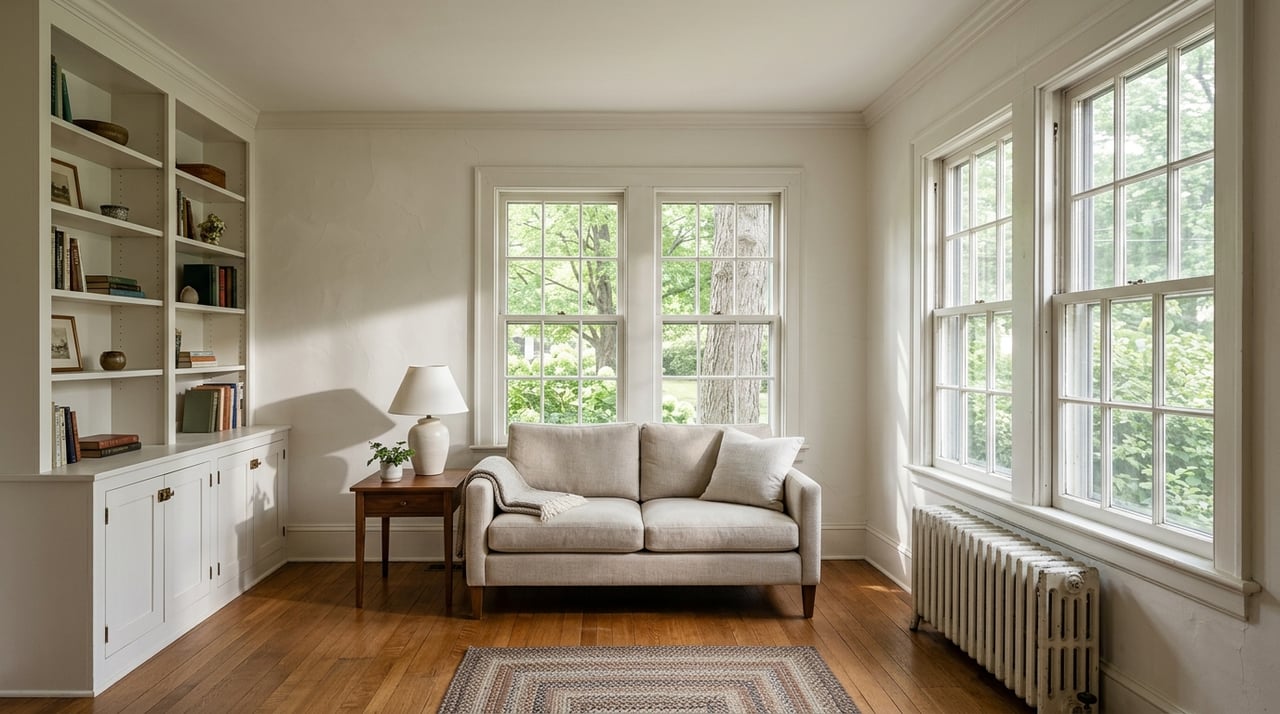
Dreaming about a historic home in Milford? You are not alone. Older homes can offer character, craftsmanship, and a setting that feels hard to duplicate, but they also come with questions that newer homes usually do not. If you are thinking about buying one, this guide will help you understand what to look for, what to ask, and how to move forward with more confidence. Let’s dive in.
Why Milford Historic Homes Stand Out
Milford’s best-known older-home area is the North Milford Village Historic District in Oakland County. According to the National Register of Historic Places, the district covers about 140 acres and includes roughly 255 contributing buildings, four structures, and seven mill sites. Its setting centers on parts of North Main Street, nearby residential streets, and the Pettibone Creek mill ponds.
That matters because buying a historic home in Milford is often about more than just the house itself. You are also buying into a village-center setting with a long development history. In practical terms, that can affect everything from home style and lot layout to pricing and future exterior changes.
What Types of Historic Homes You May See
One of the most interesting parts of Milford’s historic housing stock is its variety. Homes in the district span several building eras, from early settlement-period houses to railroad-era and early automobile-era homes, along with later infill and a small commercial presence.
You may see a wide mix of architectural styles, including Greek Revival, Italianate, Victorian Gothic, Second Empire, Queen Anne, Stick, Chateauesque, Tudor Revival, Dutch Colonial Revival, Bungalow/Craftsman, English style, and Cape Cod. Construction materials also vary, with wood frame, brick, stone, and concrete block all represented.
Because of that variety, it can be harder to compare one property to another. Two homes on the same street may have very different levels of originality, updates, and maintenance. When you are evaluating value, age alone does not tell the full story.
What Buyers Often Love About Older Milford Homes
Historic homes in Milford often appeal to buyers who want details that are less common in newer construction. Many older homes still feature detailed woodwork, porches, steep rooflines, original second-story windows, and window caps.
The layout of the historic core also adds to the appeal. Many homes sit fairly close together on the village grid, which creates a more compact, traditional streetscape than you might find in newer subdivisions. If you like walkable village character and a strong sense of place, that setting may be part of the draw.
Why Due Diligence Matters More
With an older home, charm should never replace careful review. Some Milford properties have been moved or heavily remodeled over time, which means exterior appearance and original interior layout can vary a lot from house to house.
That is why your home search should go beyond finishes and staging. You will want to understand what is original, what has been altered, how well systems have been maintained, and whether past work changed the home’s historic character or functionality.
Key Condition Issues To Check
A general home inspection is important, but with historic homes, it is usually just the starting point. HUD encourages buyers to obtain a detailed home inspection and to check the inspector’s qualifications, with a focus on safety, security, and soundness.
In Milford’s older homes, it is smart to leave enough time during your contingency period for specialist opinions and contractor estimates if needed. That extra layer of review can help you understand repair scope before you commit.
Lead Paint Risks
If the home was built before 1978, lead-based paint should be treated as a real possibility. EPA notes that homes built before 1978 are more likely to contain lead-based paint, and that 87% of homes built before 1940 contain some lead-based paint.
This matters even more if you plan to repaint, replace windows, or open walls. EPA also says buyers of most pre-1978 homes have the right to know about known lead-based paint hazards before signing a contract.
Asbestos Concerns
Asbestos is another issue that can come up in older homes. EPA warns that many materials cannot be identified by sight alone, so if remodeling could disturb older materials, they should be treated as suspect until properly evaluated.
For you as a buyer, that means renovation plans should be part of the conversation early. A home that feels move-in ready today may still require extra care if you plan to update finishes or rework older spaces later.
Maintenance History and Alterations
Historic homes do not age in the same way. Some have been carefully preserved, while others have seen decades of patchwork updates. In Milford, where homes represent multiple eras and many have changed over time, maintenance history can matter just as much as style or square footage.
Ask clear questions about prior remodeling, replacement windows, porch repairs, roofing, drainage, and any major system updates. The answers can help you separate cosmetic appeal from long-term ownership costs.
Flood And Drainage Questions In Milford
Because Milford’s historic core sits around Pettibone Creek and the Huron River, flood and drainage review deserves special attention. Low-lying parcels may need a closer look, especially if the home is near the river or creek.
Milford’s code includes a flood-hazard overlay with specific development requirements. As a buyer, you should confirm flood-zone status and potential insurance implications early in the process, not after you are already deep into the transaction.
Historic District Rules To Verify Early
Not every older home is regulated the same way. If a property is in a locally designated historic district, Michigan’s Historic District Act says exterior changes generally require approval from the local Historic District Commission, and denials can be appealed.
That is different from National Register listing, which is a separate recognition layer. If you are considering exterior updates, do not assume work is unrestricted just because a home is listed for sale or because it has already been updated in the past. Verify the exact designation before moving forward.
How To Make A Smarter Offer
When you buy a historic home in Milford, your offer strategy should leave room for answers. A shorter, simpler contingency period that works on a newer home may not give you enough time to inspect, gather estimates, and understand local review requirements.
A practical approach is to keep the inspection contingency long enough to:
- complete a detailed general inspection
- bring in specialists if concerns show up
- price likely repairs with contractor input
- confirm whether planned exterior work may need local review or permits
- review flood-zone status and possible insurance impact
That extra time can turn a house you love into a decision you feel good about.
Renovation Plans And Tax Credit Potential
If you are planning major rehabilitation, Michigan’s Historic Preservation Tax Credit may be worth exploring. State instructions say qualifying homeowners, commercial property owners, and businesses can be eligible for a credit tied to SHPO-approved rehabilitation work.
This is not something to assume at closing. It is a separate preapproval and process issue, so if the property needs major work and you hope to pursue that benefit, check the requirements early.
What A Good Buying Process Looks Like
Buying a historic home in Milford usually goes best when you balance emotion with process. It is fine to fall in love with original details and village character, but you also want a plan that protects your budget and future plans for the property.
A strong process often includes:
- Identifying whether the home is simply older or also in a locally designated historic district.
- Reviewing visible condition, prior alterations, and maintenance history.
- Using a detailed inspection as a starting point, not the finish line.
- Bringing in specialists when age or renovation plans make that wise.
- Checking flood and drainage concerns early for homes near the creek or river.
- Confirming whether planned exterior work may require local approval.
With the right guidance, you can enjoy the character of a Milford historic home without going in blind.
If you are exploring older homes in Milford, the key is having someone who understands the local market, the neighborhood context, and the questions that matter before you commit. That kind of support can make the process feel a lot less overwhelming and a lot more personal. When you are ready to talk through your options, connect with Anne Shields.
FAQs
What makes a home historic in Milford?
- In Milford, many older homes are associated with the North Milford Village Historic District, a National Register district that includes a concentrated village-center area with homes from multiple building eras.
What should you inspect before buying a historic home in Milford?
- You should start with a detailed general home inspection, then consider specialist evaluations and contractor estimates if the home shows signs of broader repair needs or if you plan renovations.
Are lead paint risks common in older Milford homes?
- If a Milford home was built before 1978, lead-based paint is more likely, and the risk is especially relevant if you plan to disturb painted surfaces during updates.
Can you change the exterior of a historic home in Milford?
- If the property is in a locally designated historic district, exterior changes generally require approval from the local Historic District Commission under Michigan’s Historic District Act.
Should you check flood risk when buying near downtown Milford?
- Yes, homes near Pettibone Creek or the Huron River may need a closer flood and drainage review, including confirmation of flood-zone status and insurance implications.
Are historic home values harder to compare in Milford?
- Often, yes. Milford’s older homes span different eras, styles, materials, and update histories, so originality, alterations, and maintenance can affect value as much as age.